By Mike Ernst
October 21, 2026
Homeowners seeking boundaries face numerous material choices. Wood rots over time, metal rusts in humid climates, and stone requires immense construction labor. A modern solution emerges through synthetic materials, offering weather resistance and aesthetic appeal without traditional drawbacks. Property perimeters define landscape borders, provide privacy, and secure yards for pets. Selecting an appropriate fence material requires careful consideration of climate, maintenance capabilities, and architectural standards.
Among modern options, a local vinyl fence presents distinct advantages for residential properties. Sourcing materials from regional suppliers ensures products match specific geographic climate conditions. Regional suppliers maintain inventory suited to local architectural tastes, ensuring seamless visual integration. Homeowners find synthetic barriers resist environmental threats better than organic materials. The decision involves weighing upfront material costs against long-term longevity and ongoing upkeep requirements.
Evaluating the Durability of Vinyl Fences
Synthetic boundaries withstand severe weather conditions without structural compromise. Rain, snow, and intense sun exposure degrade traditional wood installations, causing rot or fading. Vinyl components resist water absorption, preventing warping during heavy precipitation events. The material contains chemical inhibitors that block ultraviolet rays, keeping colors vibrant despite constant sun exposure. This structural integrity means the perimeter stays intact during harsh storms and extreme temperature shifts.
According to This Old House, vinyl fences do not require much maintenance and can last up to 20 years without needing sanding or repairs. This longevity stems from the fundamental chemical structure of the material itself. Manufacturers engineer these products to flex under wind pressure rather than snap under stress. Such flexibility proves crucial in areas prone to sudden storms. The synthetic structure bounces back into place, maintaining rigid yard enclosures.
Insects pose a significant threat to organic perimeter structures. Termites and carpenter ants destroy wooden posts from within, creating invisible weaknesses that lead to collapse. Synthetic panels remain impervious to pest infestations, eliminating the need for harsh chemical treatments. Property owners avoid recurring costs of pest control services associated with traditional yard borders. The barrier remains solid and secure, offering peace of mind regarding structural stability.
Ground moisture causes major issues for support posts buried in soil. Wooden supports require concrete bases and chemical treatments to delay rotting processes. A local vinyl fence utilizes posts that ignore soil moisture conditions. The synthetic nature means ground contact causes no degradation, ensuring the foundation remains solid. Builders place these supports into the earth without fearing moisture damage, creating a permanent property line.
Considering the Aesthetics of Vinyl Fences
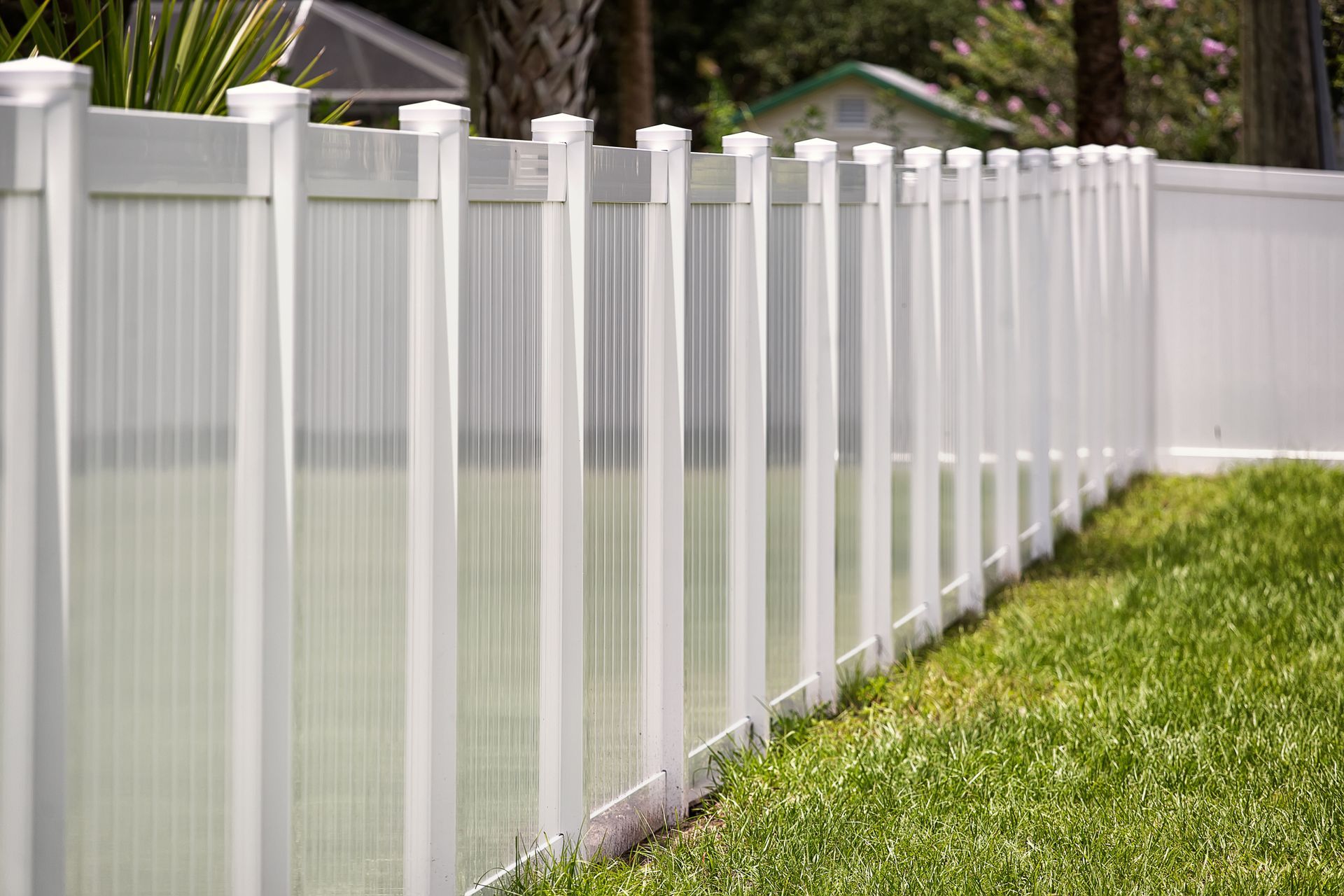
Visual appeal plays a major role in property improvement decisions. Synthetic fencing mimics the look of traditional materials while maintaining structural superiority. Manufacturers produce panels with simulated wood grain textures, offering a rustic appearance without associated decay. Color options range from stark white to deep browns, matching diverse architectural styles. This versatility allows homeowners to coordinate outdoor borders with existing exterior home colors, creating an attractive landscape design.
Privacy requirements dictate the chosen style for many homeowners. Tall, solid panels block sightlines from neighboring properties, creating secluded outdoor living spaces for relaxation. Spaced picket styles offer a classic suburban appearance, establishing boundaries while maintaining neighborhood visibility and open airflow. Lattice top accents provide a visual compromise, allowing wind passage and partial visibility at eye level. Buyers select the design that best fits their specific landscape needs.
Consistency in appearance matters for neighborhood aesthetics. A local vinyl fence maintains its initial look year after year, avoiding the patchy fading seen in stained wood installations. Homeowners association guidelines mandate specific visual standards for exterior additions and modifications. Synthetic options meet these stringent requirements through uniform manufacturing processes and fade-resistant color technologies. The boundary remains crisp and clean, enhancing the overall look of the street and pleasing regulatory committees.
Customization exists within the synthetic fencing market for those seeking unique designs. Caps placed on support posts add decorative finishes to the overall structure. Options include gothic points, flat squares, or solar-powered lighting fixtures that illuminate the perimeter at night. These small details enhance the visual impact of the property border, elevating a simple barrier into an architectural feature. Homeowners mix and match elements to create custom exterior appearances.
Understanding the Installation of Vinyl Fences
Setting up synthetic panels requires specific techniques distinct from standard wood construction. Precision matters during the layout phase, as prefabricated panels lack the forgiving nature of custom-cut lumber. Post holes require exact alignment with panel dimensions to prevent structural tension across horizontal rails. Installers measure spacing with care to accommodate fixed lengths of provided materials. Proper planning prevents mid-project corrections and ensures a smooth assembly process.
Temperature fluctuations affect the installation process and timeline. The material expands and contracts based on environmental heat or cold. Builders account for thermal movement by leaving appropriate gaps within the post routing holes. Without these allowances, panels buckle during peak summer heat or pull apart during winter freezes. Proper installation techniques accommodate natural expansion, ensuring the structure remains straight and intact despite extreme weather changes.
Soil composition determines foundation requirements for support posts. Rocky ground necessitates specialized digging equipment, while sandy soil requires deeper post placement for adequate stability. Securing a local vinyl fence involves setting posts in concrete to prevent leaning over time. The depth of the concrete footing must extend below the frost line in cold climates to prevent seasonal heaving. Installers evaluate ground conditions to determine appropriate anchoring strategies.
Topography presents unique challenges for rigid panel systems. Sloped yards require step down or racking methods to maintain visual appeal and security along uneven ground. Racking allows horizontal rails to follow the contour of the earth, eliminating gaps at the bottom. Step-down installation keeps rails level, creating a staircase effect along the property line. These methods require careful measurement and specialized bracket systems to achieve a secure finish.
Analyzing the Value of Vinyl Fences
Upfront material costs for synthetic options exceed those of basic lumber. However, calculating the true cost of a property border requires examining long-term maintenance expenses. Paint, stain, and sealant purchases add up over the lifespan of a wooden fence. The synthetic alternative requires no surface treatments, saving significant capital over time. Homeowners realize substantial savings when factoring in materials required to maintain traditional boundaries in harsh outdoor environments.
Labor costs for maintenance represent an additional financial factor to consider. Scraping and painting a traditional fence consumes weekends and demands physical effort. Choosing a local vinyl fence replaces these labor-intensive chores with a simple wash. A garden hose and mild soap remove dirt, keeping the structure looking pristine without requiring specialized tools or hired help. Property owners avoid paying contractors for ongoing maintenance, keeping capital in their pockets.
Property value increases when homeowners install durable, low-maintenance features. Prospective buyers appreciate outdoor spaces that do not require immediate repair or ongoing labor. A pristine synthetic fence enhances curb appeal, creating a positive initial impression for visitors or potential purchasers. This added property value helps offset the initial material investment made during the installation phase. Real estate professionals recognize the appeal of synthetic structures when evaluating homes.
Warranty protection offers financial peace of mind for property owners. Manufacturers provide lifetime warranties on synthetic products against peeling, flaking, and blistering. Such guarantees transfer to subsequent property owners, adding further value during a real estate transaction. Wood products lack equivalent guarantees due to their inherent vulnerability to natural elements. The warranty serves as a testament to the structural integrity and long-term viability of the material, assuring buyers of investment quality.
Investing in a local vinyl fence represents a sound decision for long-term property improvement. The combination of structural resilience, visual versatility, and financial value makes it a superior choice for residential applications. By selecting synthetic materials, property owners ensure their fence remains secure, attractive, and functional for future decades. The ongoing evolution of building materials brings practical, elegant solutions to exterior home design, elevating the standard for residential property borders. If you are ready to transform your property, we at River City Fence Company are here to build your ideal local vinyl fence. Contact us today to schedule a consultation and let our team bring your vision to reality.