Wooden fences have been a staple in residential and commercial landscaping for centuries, admired for their versatility and enduring charm. They not only provide practical benefits but also enhance the aesthetic value of properties they enclose. This article delves into the detailed benefits of wooden fences, exploring their aesthetic appeal, cost-effectiveness, environmental advantages, and more.
Aesthetic Appeal
Natural Beauty
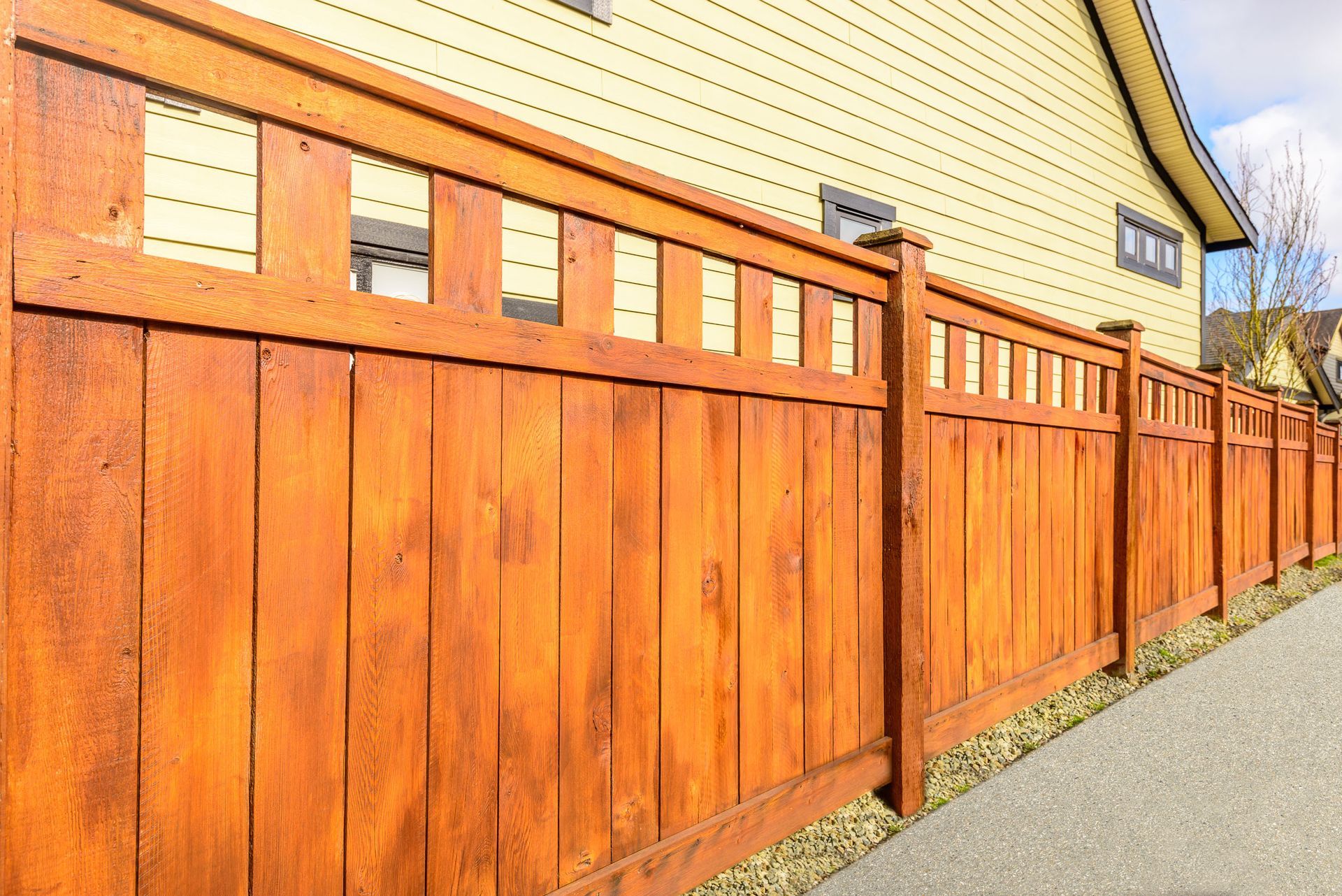
Wooden fences are renowned for their natural beauty, offering a visual warmth that synthetic materials can't replicate. The organic charm of wood complements any landscape, blending seamlessly with gardens and natural scenery. There's something universally appealing about the texture and hue of wood, which invokes a sense of coziness and homeliness. This charm is one reason why approximately 50% of U.S. homes feature a wooden fence, according to the USDA Forest Service. The inherent beauty of wood adds a comforting, inviting quality to the spaces it encloses.
Versatility in Design
The versatility of wooden fences makes them an excellent choice for properties of all styles and sizes. They can be tailored to meet specific design preferences, with options to modify color, height, and texture, ensuring a match for any architectural theme. This flexibility means that regardless of whether a property adopts a rustic, modern, or traditional aesthetic, a wooden fence can align perfectly. Custom designs such as lattice tops or picket styles offer endless possibilities for creativity. Such adaptability ensures that wooden fences remain a favored choice for property owners seeking harmony between form and function.
Timeless Elegance
Wood wields a timeless elegance that easily bridges the gap between historic and contemporary design. Its classic appearance never goes out of style, endowing homes with a tasteful elegance that synthetic materials may lack. Furthermore, wood's natural grain patterns add unique character to each installation, distinguishing properties with individual charm. This timeless allure allows wooden fences to fit seamlessly in both suburban and urban settings. Their ability to balance tradition with modernity is a key factor in their enduring popularity, reinforcing their status as an evergreen fencing option.
Enhancing Landscape
Add a wooden fence to your property, and it doesn't merely serve a functional purpose; it can significantly enhance the landscape's beauty. Wooden fences act as a backdrop to gardens and outdoor spaces, accentuating the colors and forms within a yard. Their natural tones harmonize with greenery, creating a cohesive visual appeal. Wooden fences also serve as an excellent framework for climbing plants or hanging baskets, turning simple boards into living art. Thus, they not only demarcate property lines but also amplify the enjoyment and aesthetic of outdoor spaces.
Curb Appeal
First impressions are crucial, and a well-maintained wooden fence can significantly boost a property's curb appeal. Visitors and potential buyers often gauge a property's value from its exterior, where a wooden fence provides an inviting and warm aesthetic. Such fences add an immediate layer of depth and personality to a property's facade. The variation in designs allows homeowners to choose a style that best complements the home's architecture, enhancing its visual appeal from the street. As a result, a wooden fence is an investment that not only improves aesthetics but also potentially increases the property's market value.
Cost-Effectiveness
Affordable Material Costs
Wooden fences are often more cost-effective than many other materials, such as metal or vinyl. The initial material cost for wood is typically lower, making it an attractive option for budget-conscious property owners. This affordability does not come at the expense of quality or durability, as many types of woods, such as cedar and pine, offer robustness at a lower price point. Coupled with a variety of options ranging from basic to more elaborate designs, wood fencing satisfies aesthetic preferences without financial strain. Thus, homeowners can achieve their desired look without compromising their budget.
Installation Savings
The installation of a wooden fence is generally less labor-intensive compared to other fencing materials, which translates to cost savings. Wood is easier to work with, allowing for quicker, more straightforward installation processes. This simplicity can result in lower labor costs since the time and manpower required are reduced. Additionally, many homeowners take on wooden fencing projects themselves, saving significantly on professional installation fees. Therefore, the combination of manageable installation and affordable materials makes wooden fences an economically sensible choice.
Value Over Time
A well-maintained wooden fence is a long-term investment that offers impressive value beyond its initial installation. Treated wood, in particular, can withstand elements such as rain, sun, and pests, prolonging its lifespan. This durability ensures that homeowners do not face frequent replacement costs, further maximizing return on their initial investment. The longevity of a wooden fence, aided by advancements in treatment technologies, allows it to endure the test of time gracefully. Ultimately, this resilience makes wooden fences not just a cost-effective option but also a valuable asset over years.
Reusability
Wooden fences contribute to cost-effectiveness through their potential for reuse and recyclability. Whether replacing sections or decommissioning an entire fence, wood offers potential for repurposing into other projects. This flexibility minimizes waste and maximizes value extracted from original investments. For example, reclaimed wood can become furniture, decor, or even part of another fencing project. Reusability reduces environmental impact and provides homeowners additional use from their material outlay, adding another layer of economic prudence to wooden fencing.
Environmental Benefits
Biodegradable Material
One of the significant environmental advantages of wooden fences is their biodegradability. Unlike synthetic materials that may take centuries to decompose, wood naturally breaks down over time, minimizing its environmental footprint. This attribute makes it an eco-friendly choice for environmentally-conscious homeowners. As the wood decomposes, it enriches the soil, contributing to natural cycles rather than pollution. Therefore, choosing materials like wood for fencing is a step towards sustainable living and reducing waste in landfills.
Sustainable Resources
When sourced responsibly, wood is a highly sustainable material for fences. Many suppliers offer wood from certified forests that are managed under practices that ensure long-term ecological balance. This means that for every tree harvested, new trees are planted, helping maintain forest populations. Moreover, using sustainably-sourced wood supports industries committed to environmental stewardship. This combination of renewable resources and responsible practices makes wooden fences a green alternative to more environmentally taxing options like vinyl or metal.
Low Carbon Footprint
In comparison to other fencing materials, wood typically boasts a lower carbon footprint. Manufacturing wood requires significantly less energy compared to producing metal or plastic fences. Additionally, wood's ability to sequester carbon stores greenhouse gases, actively combating climate change. This environmental characteristic makes wooden fences a conscientious choice for those seeking to reduce their environmental impact. By opting for a wooden fence, homeowners contribute positively to carbon reduction efforts over broader scale.
Eco-Friendly Maintenance
The maintenance of a wooden fence can be conducted using eco-friendly products and methods that complement its environmental benefits. Simple treatments such as natural oil-based stains and paints mitigate harmful chemical exposure. Implementing such sustainable practices ensures a reduced environmental impact throughout the fence's lifespan. Additionally, using eco-friendly cleaning agents contributes to maintaining soil and water quality. This consideration for ecologically responsible maintenance further solidifies the environmental advantages of wooden fences.
Wooden fences offer an array of benefits that make them a compelling choice for property enclosures. Their aesthetic appeal, cost-effectiveness, environmental advantages, and adaptability to various needs establish them as versatile and practical solutions. The enduring popularity of wooden fences signifies their capacity to balance beauty, functionality, and sustainability. For homeowners seeking to enhance their property's value and visual appeal while supporting environmental considerations, wooden fences remain a distinguished option. This combination assures that they will continue to be embraced for generations as a leading fencing choice. If you're looking for dependable
wooden fences, contact River City Fence Company today.